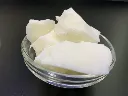
As a trusted supplier in the world of Cocoa Butter Alternatives (CBA), we understand the evolving demands of the market. Our carefully curated range of Palm-derived raw materials mirrors the physical and chemical properties of cocoa butter, ensuring that your products maintain their exceptional texture, aroma, and flavor. With a commitment to quality and consistency, we offer a versatile solution for your formulation needs. Whether you’re in the chocolate industry or the cosmetics sector, our Cocoa Butter Alternatives (CBA), seamlessly integrate with your processes, allowing you to create products that not only meet but exceed customer expectations. Elevate your creations with our Cocoa Butter Alternatives and unlock a world of possibilities. Choose quality, choose innovation, choose us.
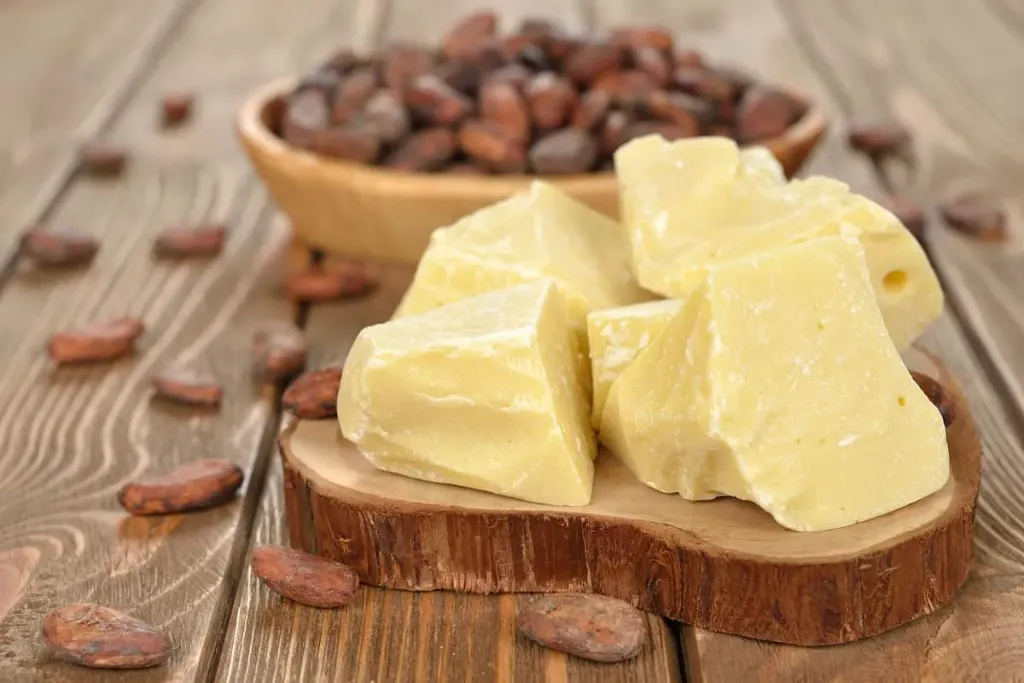
Cocoa butter (CB) is a naturally occurring fat primarily derived from cocoa beans harvested from the cocoa tree (Theobroma Cacao) through a rigorous pressing process. Cocoa butter primarily consists of three main fatty acids: oleic (O) , palmitic (P), and stearic (S) acids. Cocoa butter has been historically used as a key ingredient in the production of chocolate, candies, and cosmetic products.
This popularity in various applications is attributed to Cocoa Butter’s ability to form a continuous phase, ensuring the uniform dispersion of essential components. Cocoa butter is typically in a solid state at room temperature, but it swiftly transitions into a liquid state at approximately 30°C to 32°C. This remarkable property is instrumental in producing confectionery items that promptly soften upon contact with body heat, avoiding any undesirable waxy textures
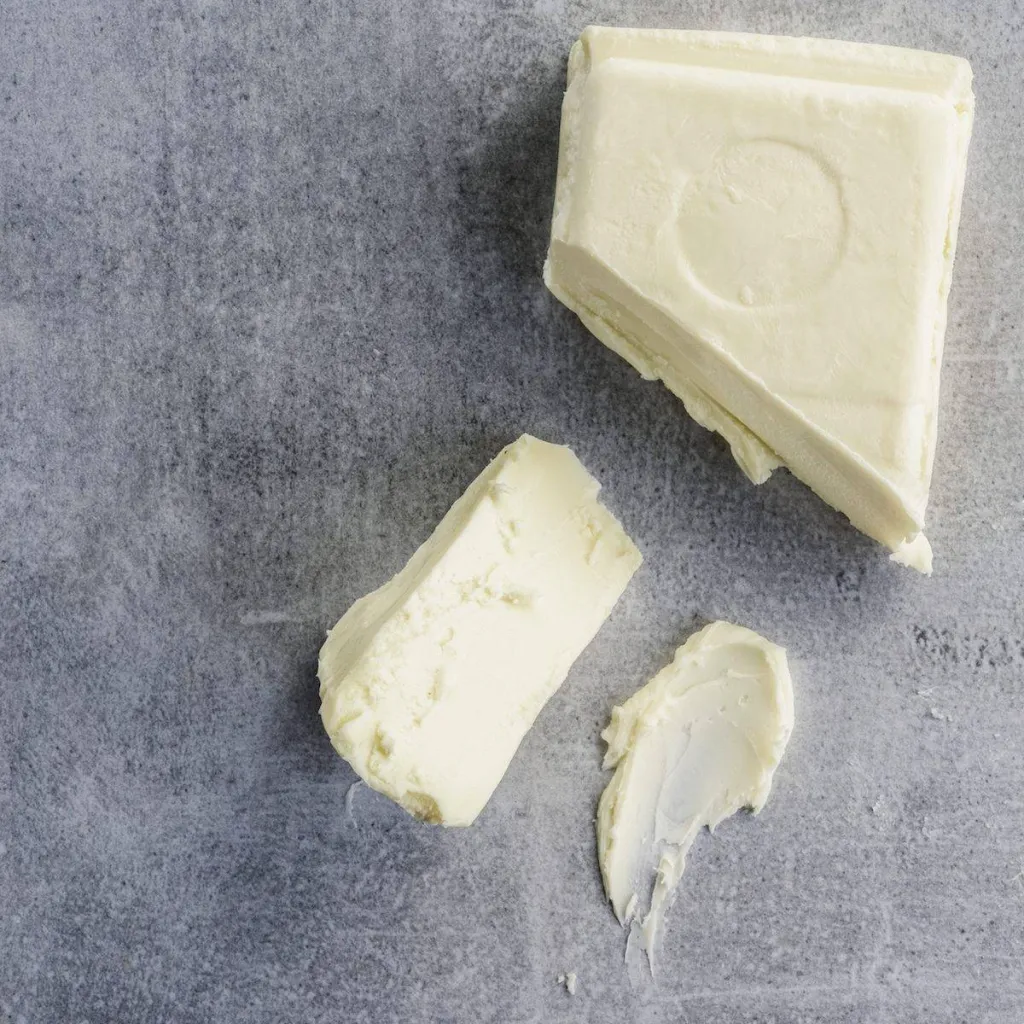
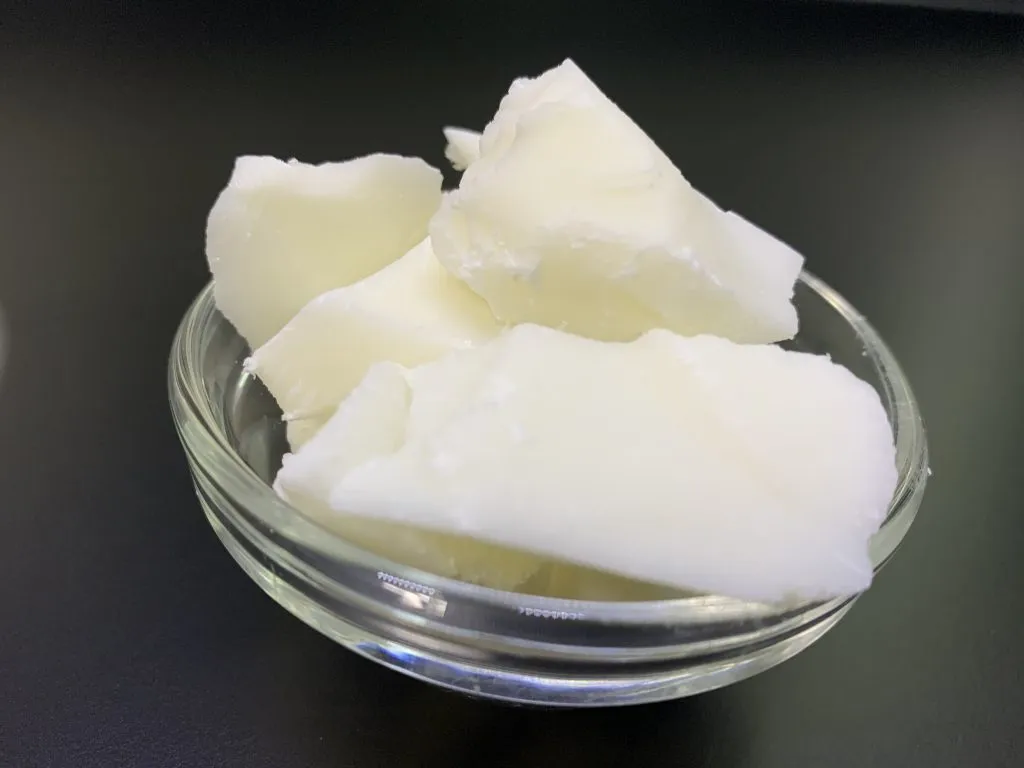
Currently, Palm kernel oil is increasingly preferred as a raw material to replace cocoa butter, known as Cocoa Butter Alternatives (CBA). Palm-derived raw materials closely resemble the characteristics of cocoa butter.
Vegetable fat is preferred because there is a shortage of cocoa butter in the market, driving up its price. To illustrate, the shortage of cocoa butter supply can be seen in the cocoa bean processing, which yields 32%-36% cocoa butter and 52%-56% cocoa powder. However, in chocolate production, 28%-38% cocoa butter is used, with cocoa powder making up just 12%-18%. Hence, there is an excess supply of cocoa powder.
Most chocolate and chocolate-based products contain vegetable fat derived from palm kernel oil, since they are competitively priced. So, technology was developed to make Cocoa Butter Alternatives (CBA) for the production of compound chocolate (not real chocolate)
Compound chocolate is a chocolate-like product where cocoa butter is replaced with Cocoa Butter Alternatives (CBA). While other raw materials are relatively the same, including cocoa powder, sugar, etc.
Cocoa Butter Alternatives (CBA) is divided into three types: Cocoa Butter Substitute / Cacao Butter Substitute (CBS) and Cocoa Butter Replacer (CBR), which have physical characteristics similar to cocoa butter. There’s also Cocoa Butter Equivalent (CBE), which not only has similar physical properties but also similar chemical properties to cocoa butter.
Beside physical and chemical characteristics, these three types of CBA can be distinguished by their raw material sources. Cocoa butter substitute for chocolate is generally made from palm kernel oil. On the other hand, Cocoa Butter Replacer comes from the palm oil fraction or other vegetable oils like soybean and canola oil. Unlike CBS and CBR, Cocoa Butter Equivalent (CBE) is a mixture of palm oil fractions with exotic oils involving a more complicated production process.
The most economical oil for producing Cocoa Butter Alternatives (CBA) is palm oil. Using animal fat is less suitable due to its denser and less meltable physical characteristics.
Palm-based Cocoa Butter Substitute / Cacao Butter Substitute (CBS) has the advantage of being similar to cocoa butter in terms of its characteristics, but it is more competitive in terms of price.
The process of making Cocoa Butter Alternatives includes fractionation and hydrogenation. These two processes can be combined to produce various Cocoa Butter Alternatives products. Fractionation is the process of separating solid and liquid fractions in palm kernel oil, both of which have different characteristics and can be used for different applications.
Meanwhile, hydrogenation is the process of saturating the oil, turning liquid oil into a solid form. Hydrogenation can be divided into partial hydrogenation and complete hydrogenation. The difference between these two processes is that trans fats, considered less healthy, only arise from partial hydrogenation. However, trans fats do not appear in the complete hydrogenation process.
The most common process stages for Palm-based Cocoa Butter Substitute / Cacao Butter Substitute (CBS) involve extracting palm kernel oil, then fractionating it to obtain solid (stearin) and liquid (olein) fractions, which are subsequently purified. The stearin fraction from the purified palm kernel oil is then hydrogenated and purified again to produce Cocoa Butter Substitute / Cacao Butter Substitute (CBS).
The general production process for Cocoa Butter Replacer (CBR) is similar to Cocoa Butter Substitute / Cacao Butter Substitute (CBS), but the raw material used is palm oil.
Cocoa Butter Equivalent (CBE) is mainly plant-based oil that have similar physical and chemical properties as Cocoa Butter (CB). The similar properties of CB and CBEs owe to the identical major fatty acids which are palmitic, stearic, and oleic acid. Other than similar fatty acids profile, Cocoa Butter Equivalent (CBE) is also designated to have identical glyceride composition with Cocoa Butter. Due to these similarities, Cocoa Butter Equivalent (CBE) is compatible with Cocoa Butter (CB) and they can be mixed in any amount without altering the final products’ melting, consistency, as well as processing characteristics.