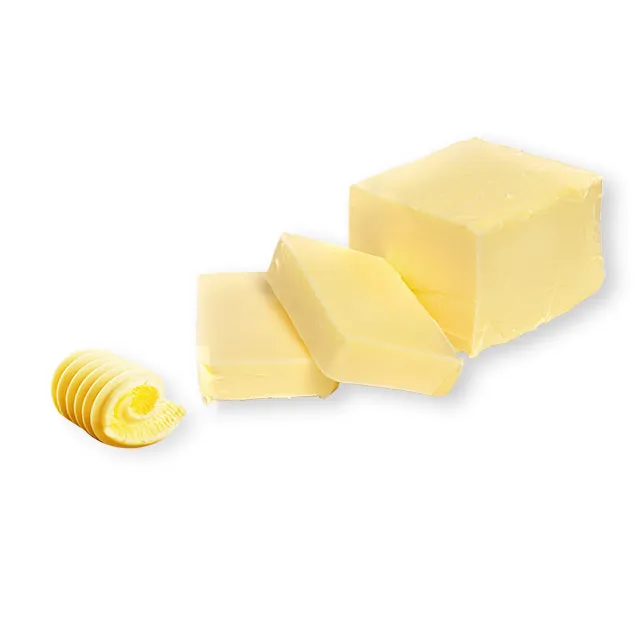
Introducing our delectable and versatile margarine, a kitchen essential that will elevate your culinary creations to new heights! Crafted with the utmost care, our margarine is the perfect choice for health-conscious food enthusiasts. We supply pastry margarine and baking margarine that is creamy, buttery flavor adds a touch of indulgence to your favorite recipes, whether you’re baking mouthwatering pastries or sautéing savory dishes. Plus, our margarine is a source of essential fatty acids , making it a smart choice for those seeking a balanced diet. Elevate your cooking experience and savor the deliciousness of our premium margarine. It’s the secret ingredient that turns good meals into unforgettable ones. Taste the difference today!
Every margarine and butter substitute available on the market boasts a unique blend of ingredients, but in general, margarine primarily comprises natural vegetable oils. Among these oils, palm, palm kernel are the most commonly utilized. Complementing these oils, margarine is consistently incorporates water and salt, with various other components introduced to fine-tune texture, color, and flavor.
There are varieties types of margarine formulations, with some incorporating dairy for creaminess (margarine dairy), others adhering to a 100% plant-based composition (vegan margarin / dairy free margarine), and certain varieties enriched with specialized ingredients like omega-rich oils and plant sterols.
In stark contrast, butter stands as a dairy product originating from milk or cream, requiring a minimum fat content of 80% for commercial distribution. The residual percentage encompasses water and milk proteins. Margarine, however, is a combination of oil, water, salt, and selected additives, such as emulsifiers, meticulously flavored to emulate the taste of butter. Notably, butter solidifies into a firm state when cold, while the majority of margarines maintain a softer consistency, facilitating margarine spread.
In the realm of cooking, butter and margarine can serve as a suitable substitute for each other, although the choice may yield slightly divergent outcomes based on the recipe. For instance, during stovetop sautéing, butter’s milk proteins render it susceptible to scorching in the pan, whereas margarine, derived from oil, boasts a higher smoke point and is less prone to burning. In baking, margarine exhibits a slower melt rate in the oven compared to butter. While this variance may have minimal impact on cakes, it can result in reduced cookie spread and contribute to flakier pie crusts.